-Hallo friends, Accounting Methods, in the article you read this time with the title Why Is The Direct Write Off Method Of Accounting For, we have prepared this article well for you to read and retrieve the information therein.
Hopefully the content of article posts Aplikasi Kode, article posts Statistika Regresi, which we write this you can understand. Alright, happy reading.
Title : Why Is The Direct Write Off Method Of Accounting For
link : Why Is The Direct Write Off Method Of Accounting For
Why Is The Direct Write Off Method Of Accounting For
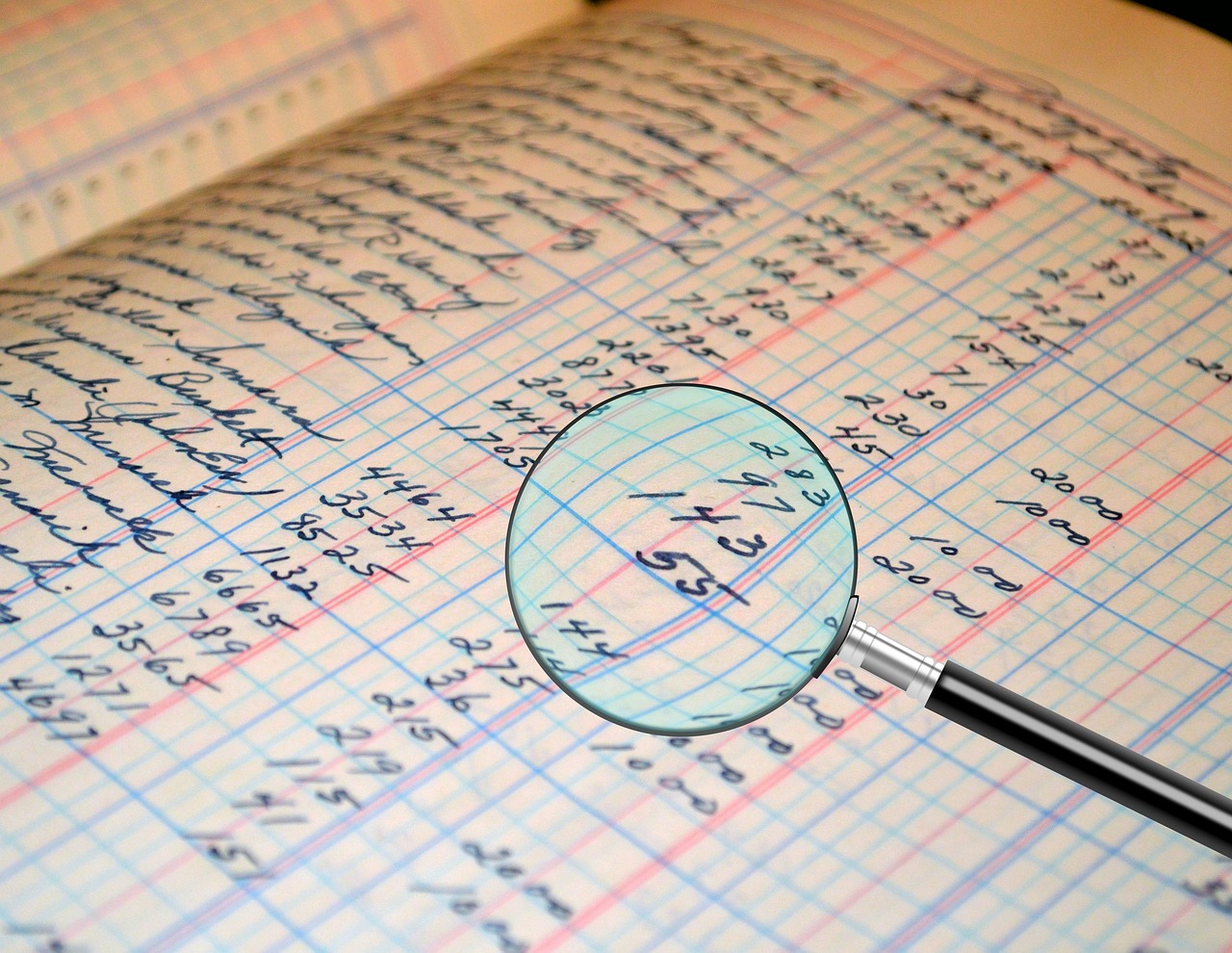
In the world of corporate finance and accounting, businesses often sell goods or services on credit. While this practice boosts sales, it introduces the risk that some customers may never pay their outstanding invoices. To manage these uncollectible amounts, companies must choose a method to account for bad debts. One such method is the direct write-off method. Understanding when and why this approach is used is essential for small business owners and accounting professionals alike.
What Is the Direct Write-Off Method?
The direct write-off method is an accounting practice where a company records a bad debt expense only when a specific account receivable is deemed definitively uncollectible. Instead of estimating how many customers will fail to pay, the business waits until a specific event—such as a customer filing for bankruptcy or a collection agency confirming the debt is non-recoverable—occurs. At that point, the company removes the debt from its books by debiting Bad Debt Expense and crediting Accounts Receivable.
Reasons Why Businesses Use the Direct Write-Off Method
While larger corporations often prefer the allowance method for matching expenses to revenue, many smaller businesses or those with specific operational needs opt for the direct write-off method for several key reasons:
- Simplicity: The direct write-off method is straightforward. It does not require complex calculations, historical data analysis, or the estimation of percentages, making it easy for small business owners to manage without advanced accounting software.
- Regulatory Requirements for Small Entities: For businesses that are not publicly traded and do not need to adhere strictly to Generally Accepted Accounting Principles (GAAP) for external reporting, this method provides a practical way to track losses.
- Accuracy for Low-Volume Debt: If a company has very few bad debts, the difference between estimating losses and writing them off directly is negligible. In such cases, the administrative cost of the allowance method outweighs the benefits.
- Tax Compliance: In many jurisdictions, the tax authorities allow businesses to deduct bad debts only when they are actually written off. Using this method aligns the financial reporting with tax reporting requirements.
Comparison of Accounting Methods
To better understand why a business might choose the direct write-off method, it helps to compare it with the more complex allowance method.
| Feature | Direct Write-Off Method | Allowance Method |
|---|---|---|
| Timing of Expense | When the debt is confirmed bad | Estimated in the period of sale |
| Complexity | Low | High |
| GAAP Compliance | Generally not compliant | Compliant |
| Best For | Small, private businesses | Large, public corporations |
Limitations to Consider
While the direct write-off method is simple, it does have significant limitations. The primary drawback is that it violates the matching principle in accounting. This principle dictates that expenses should be recorded in the same period as the revenue they helped generate. Because the direct write-off method records the expense in a later period than the original sale, it can lead to an overstatement of assets and net income in the period the sale actually occurred.
Frequently Asked Questions
Is the direct write-off method allowed under GAAP?
No, the direct write-off method is generally not permitted under GAAP because it fails to match expenses with the revenue earned in the same accounting period. It is primarily used by private, smaller businesses that do not report to external stakeholders who require GAAP compliance.
When should I switch from direct write-off to the allowance method?
You should consider switching if your business grows, your volume of credit sales increases significantly, or you need to provide financial statements to banks or investors. As your business scales, the allowance method provides a more accurate picture of your financial health.
Does the direct write-off method affect my tax return?
In many regions, tax authorities prefer the direct write-off method because it is based on actual, realized losses rather than estimates. However, you should always consult with a tax professional to ensure your specific accounting practices align with local tax laws.
Conclusion
The direct write-off method serves as a practical, low-maintenance solution for businesses that prioritize simplicity over strict adherence to complex accounting standards. While it may not provide the precise matching of expenses required by large, publicly traded companies, it remains a highly effective tool for small business owners to clear their books of uncollectible debts. By understanding the trade-offs between simplicity and accuracy, you can choose the accounting method that best supports your business operations and long-term financial goals.