-Hallo friends, Accounting Methods, in the article you read this time with the title Bad Debts Expense Explained dalam General journal, we have prepared this article well for you to read and retrieve the information therein.
Hopefully the content of article posts Aplikasi Kode, article posts Statistika Regresi, which we write this you can understand. Alright, happy reading.
Title : Bad Debts Expense Explained dalam General journal
link : Bad Debts Expense Explained dalam General journal
Bad Debts Expense Explained dalam General journal
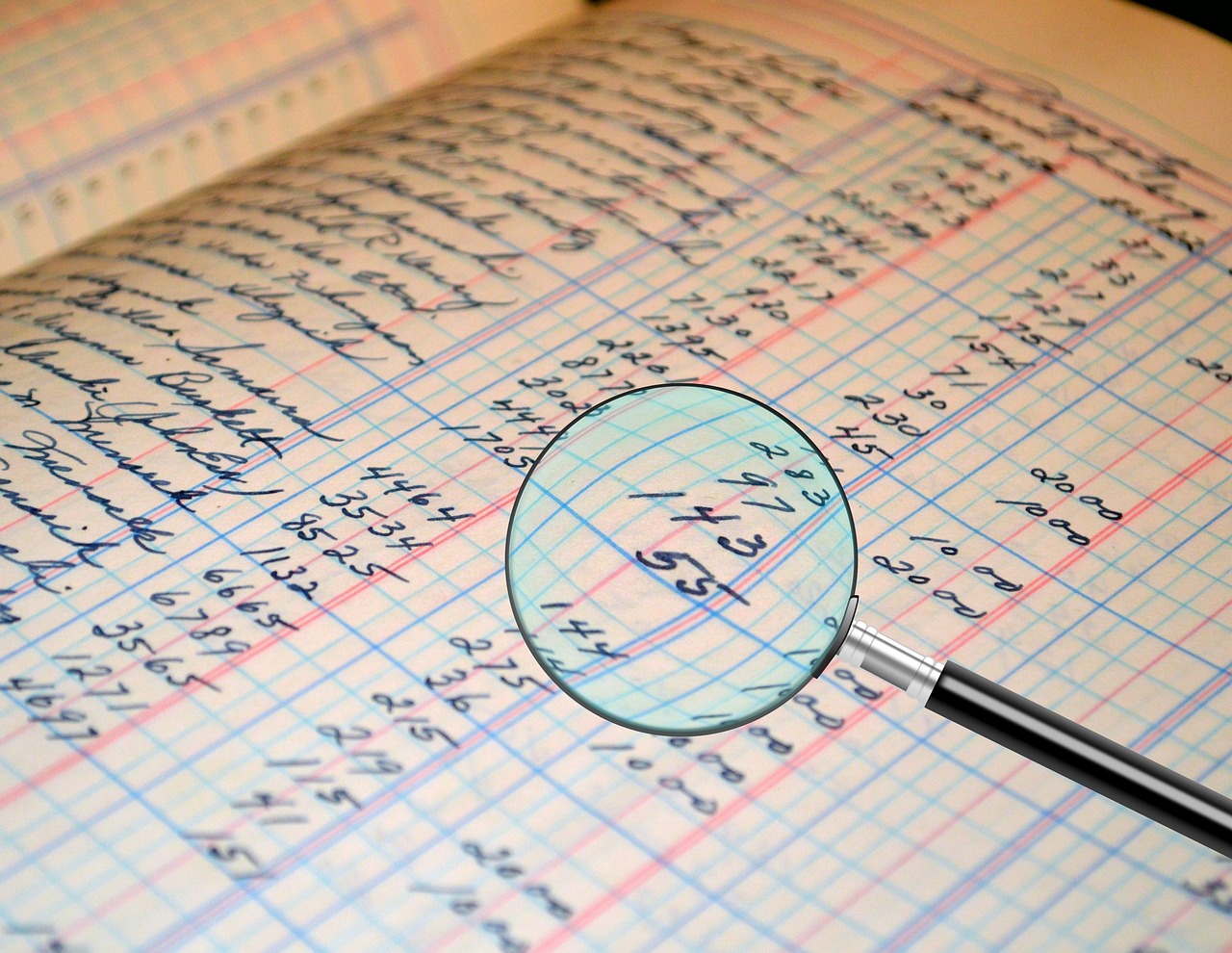
For any business that offers credit terms to customers, managing accounts receivable is a critical task. Unfortunately, not every customer pays their invoices in full. When it becomes clear that a specific amount owed will never be collected, businesses must record this as a bad debts expense. Understanding how to properly record this in the general journal is essential for maintaining accurate financial statements and complying with accounting standards.
What is Bad Debts Expense?
Bad debts expense represents the portion of accounts receivable that a company determines it will likely not collect. This happens for various reasons, such as customer bankruptcy, insolvency, or an inability to reach the debtor after multiple attempts. From an accounting perspective, this expense is recognized to ensure that a company's assets—specifically its accounts receivable—are not overstated on the balance sheet.
The Direct Write-Off Method vs. The Allowance Method
There are two primary ways to account for uncollectible accounts. The method a business chooses will dictate how the entry appears in the general journal.
The Direct Write-Off Method
Under the direct write-off method, a company waits until a specific account is deemed uncollectible before recording the expense. While this method is simple, it is often criticized because it violates the matching principle, which requires that expenses be recorded in the same period as the revenue they helped generate.
The general journal entry for the direct write-off method is as follows:
| Account | Debit | Credit |
|---|---|---|
| Bad Debts Expense | $XXX | |
| Accounts Receivable | $XXX |
The Allowance Method
The allowance method is preferred by generally accepted accounting principles (GAAP). It involves estimating the amount of bad debt at the end of each accounting period, even before specific customers are identified as non-payers. This creates a contra-asset account known as the Allowance for Doubtful Accounts.
The entry to record the estimated bad debt expense looks like this:
- Debit: Bad Debts Expense
- Credit: Allowance for Doubtful Accounts
When a specific account is later confirmed as uncollectible, the business reduces the allowance account rather than the bad debts expense account directly.
Why Accurate Recording Matters
Properly recording bad debts expense is not just about bookkeeping; it provides a realistic view of a company's financial health. If a company fails to account for bad debts, it portrays a false image of profitability and liquidity to investors, creditors, and management. By systematically recording these expenses, businesses can better manage their cash flow expectations and assess the creditworthiness of their client base.
Frequently Asked Questions
Is bad debts expense a tax-deductible expense?
In many jurisdictions, bad debts are tax-deductible. However, tax laws often require the specific identification of the debt as uncollectible, meaning the direct write-off method is frequently used for tax reporting purposes even if the allowance method is used for financial reporting.
Does recording a bad debt mean I stop trying to collect?
Not necessarily. Recording the entry in the general journal is an accounting requirement to reflect the reality of the asset's value. Many businesses continue to use collection agencies or legal avenues even after an account has been written off.
Can I reverse a bad debt entry if the customer pays later?
Yes. If a customer eventually pays an account that was previously written off, you simply reverse the original entry to restore the account receivable and then record the cash receipt as a normal payment.
Conclusion
Managing bad debts is an unavoidable part of doing business on credit. By understanding the difference between the direct write-off and allowance methods, you can ensure that your general journal entries remain accurate and compliant. Keeping a close watch on your receivables and recording expenses in a timely manner allows for better financial planning and protects your business from unexpected losses. Always consult with your accounting professional to ensure your chosen method aligns with your specific industry standards and local tax regulations.