-Hallo friends, Accounting Methods, in the article you read this time with the title Materi Akuntansi Sebagai Sistem Informasi, we have prepared this article well for you to read and retrieve the information therein.
Hopefully the content of article posts Aplikasi Kode, article posts Kalkulus Komputasi, which we write this you can understand. Alright, happy reading.
Title : Materi Akuntansi Sebagai Sistem Informasi
link : Materi Akuntansi Sebagai Sistem Informasi
Materi Akuntansi Sebagai Sistem Informasi
Understanding the Concept
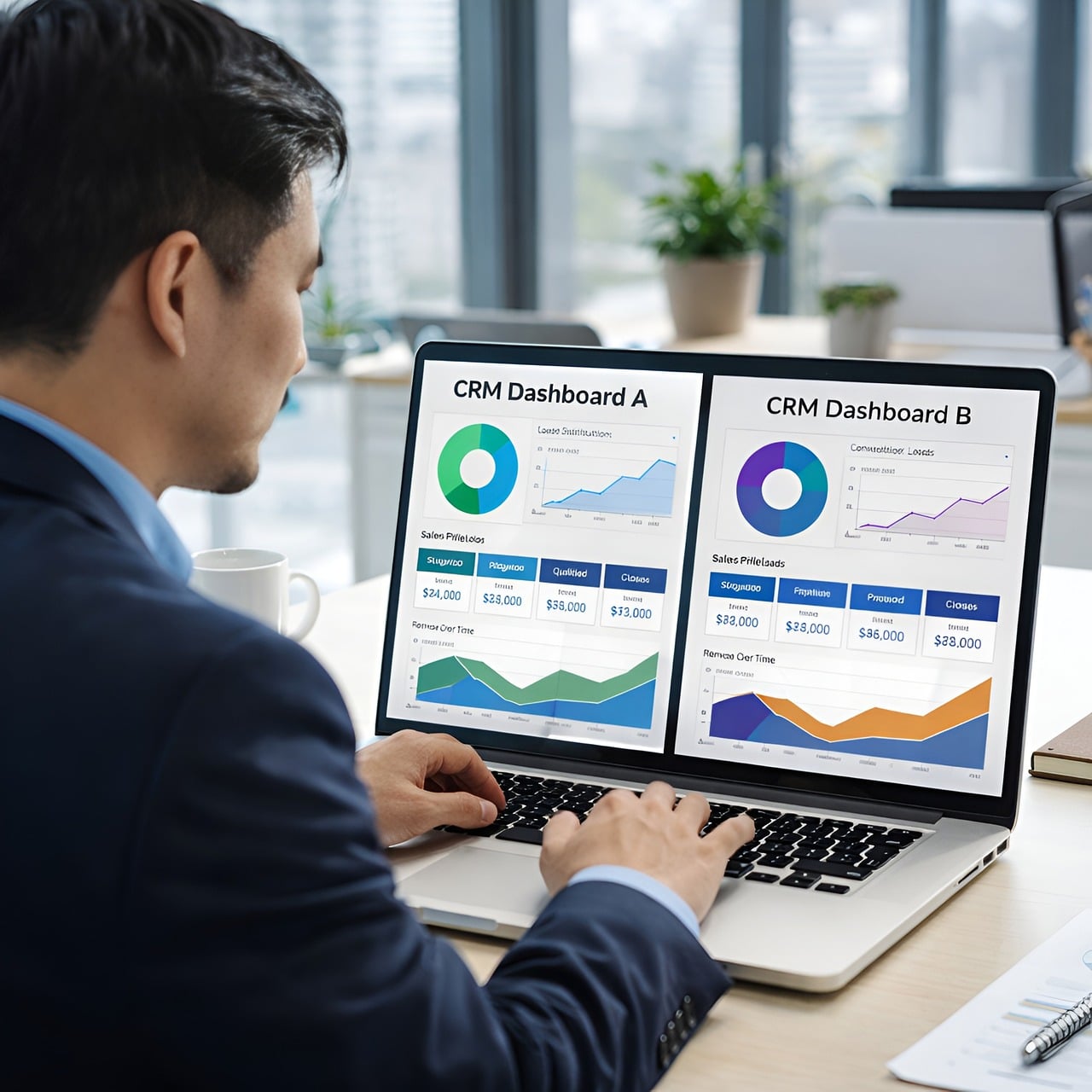
In modern business environments, accounting is no longer just a manual record‑keeping activity. It functions as a comprehensive information system that captures, processes, stores, and communicates financial data. This integration transforms raw transactions into meaningful insights that support strategic decision‑making, regulatory compliance, and operational efficiency.
Key Components of an Accounting Information System (AIS)
An effective AIS consists of several interrelated elements. The table below outlines the core components and their primary functions:
| Component | Function |
|---|---|
| People | Accountants, managers, and IT staff who design, operate, and interpret the system. |
| Procedures | Standardized methods for data entry, validation, processing, and reporting. |
| Data | Financial transactions, master records, and supporting documentation. |
| Software | Accounting applications, ERP modules, and analytical tools. |
| IT Infrastructure | Hardware, networks, and cloud services that host and secure the system. |
| Internal Controls | Policies and mechanisms that ensure data integrity, confidentiality, and compliance. |
How Accounting Functions as an Information System
Data Capture
Every business transaction—sales, purchases, payroll, or inventory movement—is recorded in the AIS. Modern systems use automated interfaces such as point‑of‑sale terminals, e‑commerce platforms, and bank feeds to capture data in real time, reducing manual entry errors.
Data Processing
Once captured, data undergoes classification, summarization, and transformation. This includes posting to general ledger accounts, calculating depreciation, and generating cost allocations. Processing rules are embedded in the software, ensuring consistency across periods.
Information Storage
Processed data is stored in relational databases that support rapid retrieval and historical analysis. Cloud‑based storage adds scalability and disaster‑recovery capabilities, allowing organizations to access financial information from any location.
Information Dissemination
Reports, dashboards, and alerts are the output of an AIS. Stakeholders receive tailored information—such as balance sheets for investors, cash‑flow statements for treasury teams, and variance analyses for operational managers—through web portals, mobile apps, or scheduled email distributions.
Benefits of Integrating Accounting with Information Systems
- Improved Decision‑Making: Real‑time financial data enables managers to respond quickly to market changes.
- Increased Accuracy: Automated calculations and validation checks minimize human errors.
- Enhanced Efficiency: Streamlined workflows reduce the time spent on repetitive bookkeeping tasks.
- Better Compliance: Built‑in controls help meet regulatory standards such as GAAP, IFRS, and tax reporting requirements.
- Strategic Insight: Advanced analytics and forecasting tools turn historical data into predictive models.
Implementing an Effective AIS
Successful implementation requires careful planning and collaboration between finance and IT departments. Below are essential steps to consider:
- Needs Assessment: Identify the specific reporting, control, and integration requirements of the organization.
- Software Selection: Choose a solution that aligns with the company’s size, industry, and growth plans. Consider scalability, user‑friendliness, and support services.
- Process Mapping: Document existing accounting workflows and redesign them to leverage automation.
- Data Migration: Cleanse and transfer legacy data to the new system while preserving audit trails.
- Training & Change Management: Equip staff with the skills to use the new tools and communicate the benefits to foster adoption.
- Testing & Validation: Conduct rigorous testing to ensure calculations, interfaces, and security controls function correctly.
- Continuous Monitoring: Use performance metrics and periodic audits to maintain system integrity and identify improvement opportunities.
Common Challenges and How to Overcome Them
While an AIS offers many advantages, organizations may encounter obstacles such as resistance to change, data silos, or inadequate internal controls. Address these challenges by:
- Engaging leadership early to champion the initiative.
- Ensuring cross‑functional communication to break down departmental barriers.
- Implementing robust access controls and regular audit procedures.
- Investing in ongoing training and support resources.
Future Trends in Accounting Information Systems
The evolution of technology continues to reshape AIS capabilities. Emerging trends include:
- Artificial Intelligence (AI): Automated anomaly detection, predictive cash‑flow modeling, and natural‑language query interfaces.
- Blockchain: Immutable transaction records that enhance auditability and reduce reconciliation effort.
- Robotic Process Automation (RPA): Bots that handle repetitive tasks such as invoice processing and bank reconciliation.
- Integrated Business Intelligence (BI): Real‑time dashboards that combine financial and operational data for holistic performance monitoring.
Frequently Asked Questions
What is the difference between an accounting system and an accounting information system?
An accounting system typically refers to the software used for bookkeeping, while an accounting information system encompasses the entire framework—people, processes, technology, and controls—that transforms raw financial data into actionable information.
Can a small business benefit from a full‑featured AIS?
Yes. Cloud‑based AIS solutions offer modular pricing, allowing small enterprises to start with core functionalities (e.g., invoicing and reporting) and add advanced features as they grow.
How does an AIS support internal controls?
Built‑in controls such as segregation of duties, approval workflows, and audit trails help prevent fraud, ensure data accuracy, and maintain compliance with regulatory standards.
Is it necessary to replace legacy accounting software when implementing a new AIS?
Not always. Many modern AIS platforms provide integration tools that allow legacy systems to coexist during a phased migration, minimizing disruption.
What role does data security play in an AIS?
Data security is critical. Encryption, multi‑factor authentication, and regular vulnerability assessments protect sensitive financial information from unauthorized access and cyber threats.
Conclusion
Viewing accounting as an information system elevates its role from simple record‑keeping to a strategic asset that drives business performance. By integrating people, processes, technology, and controls, an AIS delivers accurate, timely, and relevant financial information that empowers decision‑makers, enhances compliance, and prepares organizations for future technological advancements. Investing in a well‑designed AIS is essential for any company seeking sustainable growth and competitive advantage.