-Hallo friends, Accounting Methods, in the article you read this time with the title Generally accepted accounting principles chegg Solved which of the following, we have prepared this article well for you to read and retrieve the information therein.
Hopefully the content of article posts Aplikasi Kode, article posts Statistika Regresi, which we write this you can understand. Alright, happy reading.
Title : Generally accepted accounting principles chegg Solved which of the following
link : Generally accepted accounting principles chegg Solved which of the following
Generally accepted accounting principles chegg Solved which of the following
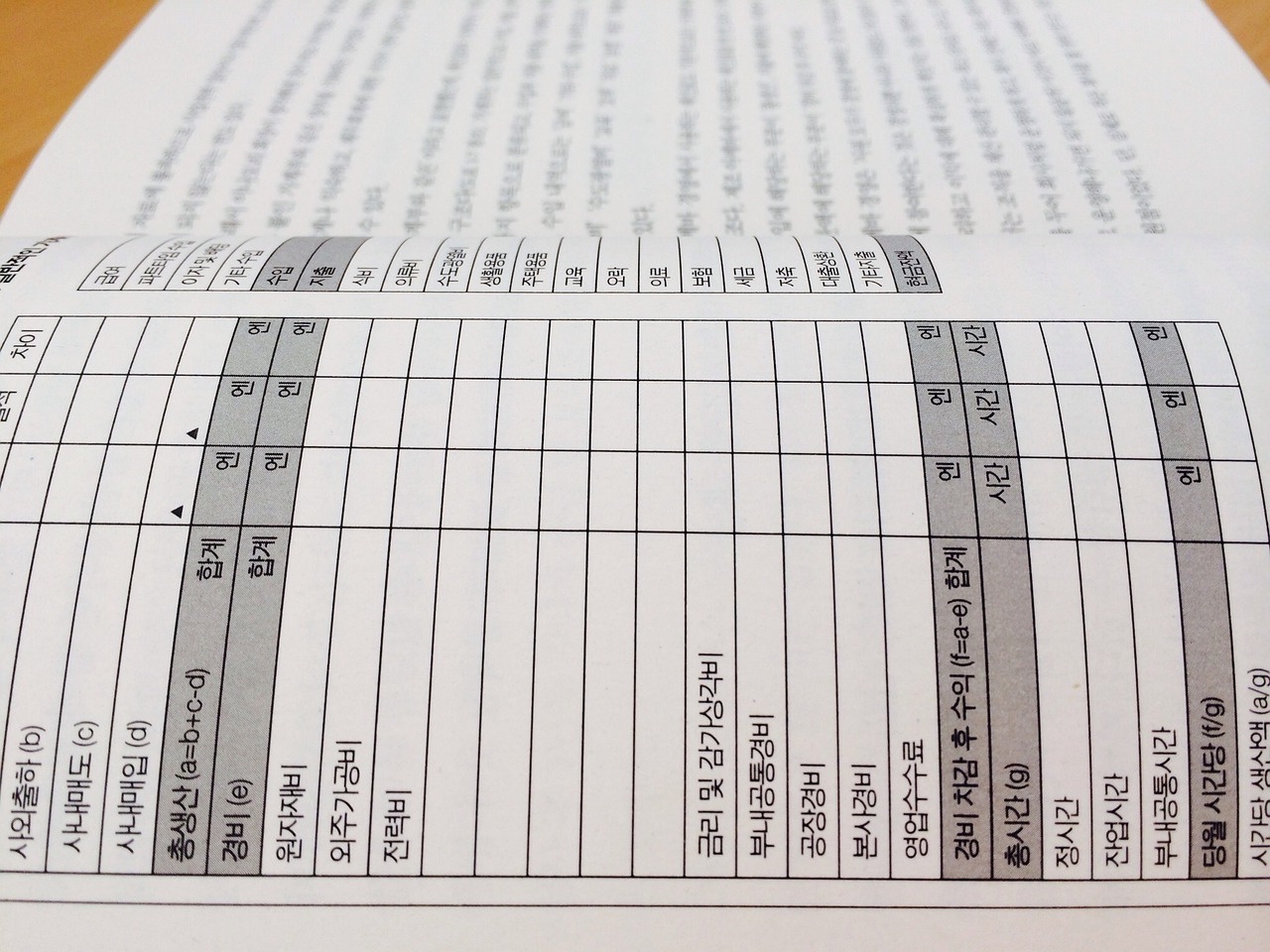
For students and professionals alike, navigating the world of finance often leads to questions about Generally Accepted Accounting Principles (GAAP). These principles serve as the backbone of financial reporting in the United States, ensuring consistency, transparency, and comparability across different businesses. If you have been searching for clarity on how GAAP functions or are looking to understand common academic problems related to these standards, you are in the right place.
What Are Generally Accepted Accounting Principles?
Generally Accepted Accounting Principles, commonly referred to as GAAP, are a collection of accounting standards, conventions, and rules that public companies must follow when they compile their financial statements. The primary goal of GAAP is to ensure that financial reporting is transparent and consistent, allowing investors and creditors to make informed decisions.
Without these standardized rules, every company would report its financial health using its own unique methodology. This would make it impossible to compare the performance of two companies in the same industry. GAAP provides the common language that accountants use to record transactions and prepare balance sheets, income statements, and cash flow statements.
Key Components of GAAP
GAAP is not a single document but a complex framework developed by the Financial Accounting Standards Board (FASB). It is built upon several core principles that guide how financial data is processed:
- Revenue Recognition Principle: Revenue is recorded when it is earned, regardless of when the cash is actually received.
- Matching Principle: Expenses should be recorded in the same period as the revenues they help to generate.
- Full Disclosure Principle: All information that could impact a reader's understanding of the financial statements must be disclosed.
- Objectivity Principle: Financial statements should be based on evidence and facts rather than personal opinion.
- Cost Principle: Assets should be recorded at their original purchase price.
Common Academic Questions Regarding GAAP
Many students encounter questions in their coursework asking to identify which accounting practices align with GAAP. Often, these questions test your understanding of accrual accounting versus cash-basis accounting. Under GAAP, accrual accounting is required for all public companies, meaning transactions are recorded when they occur, not when money changes hands.
When you encounter a question asking "which of the following" regarding GAAP compliance, always look for the option that emphasizes:
- The use of the accrual basis of accounting.
- Adherence to consistency in reporting periods.
- Proper documentation and historical cost valuation.
Comparison of Accounting Standards
While GAAP is the standard in the United States, it is often compared to International Financial Reporting Standards (IFRS), which are used in many other countries. The following table highlights the primary differences:
| Feature | GAAP (US) | IFRS (International) |
|---|---|---|
| Basis | Rules-based | Principles-based |
| Inventory Valuation | Allows LIFO | Prohibits LIFO |
| Asset Revaluation | Not permitted | Permitted under certain conditions |
Frequently Asked Questions
Why is GAAP important for investors?
GAAP ensures that financial statements are standardized. This allows investors to compare the profitability and financial stability of different companies reliably, reducing the risk of being misled by creative accounting practices.
Is GAAP mandatory for all businesses?
While publicly traded companies in the U.S. are legally required to follow GAAP, private companies may choose to follow other frameworks, such as the cash basis of accounting or tax-basis accounting, depending on their specific needs and requirements from lenders.
Who sets the rules for GAAP?
The Financial Accounting Standards Board (FASB) is the independent, non-profit organization responsible for establishing and improving GAAP in the United States.
Conclusion
Mastering the concepts behind Generally Accepted Accounting Principles is essential for anyone pursuing a career in finance or accounting. By providing a uniform framework for financial reporting, GAAP fosters trust and efficiency in the capital markets. Whether you are solving academic problems or preparing financial statements for a business, remember that the core of GAAP lies in consistency, accuracy, and full disclosure. Understanding these foundational principles will not only help you succeed in your studies but will also serve as a vital tool in your professional toolkit.